1. Start With Your Business Goals
Before choosing a website design, think about what you want visitors to do.
A local service business may need customers to call or request a quote. An online store needs product pages and a straightforward checkout process. A consulting business may want visitors to schedule appointments.
Your website should support those goals.
For most startups, these pages provide a good foundation:
- Homepage explaining what your business offers
- Service or product pages
- About page introducing your business
- Contact page with clear information
- FAQ section answering common customer questions
You can always expand your website as your business grows.
2. Choose a Design That Makes Sense for Your Customers
A website doesn't need flashy animations or complicated layouts to look professional.
Visitors should immediately understand what your business does and how you can help them.
Use readable fonts, clear headings, and a simple navigation menu.
Make important actions easy to find. If you want customers to request a quote, place a visible contact button near the top of your homepage.
Good website design focuses on helping visitors find what they need without unnecessary steps.
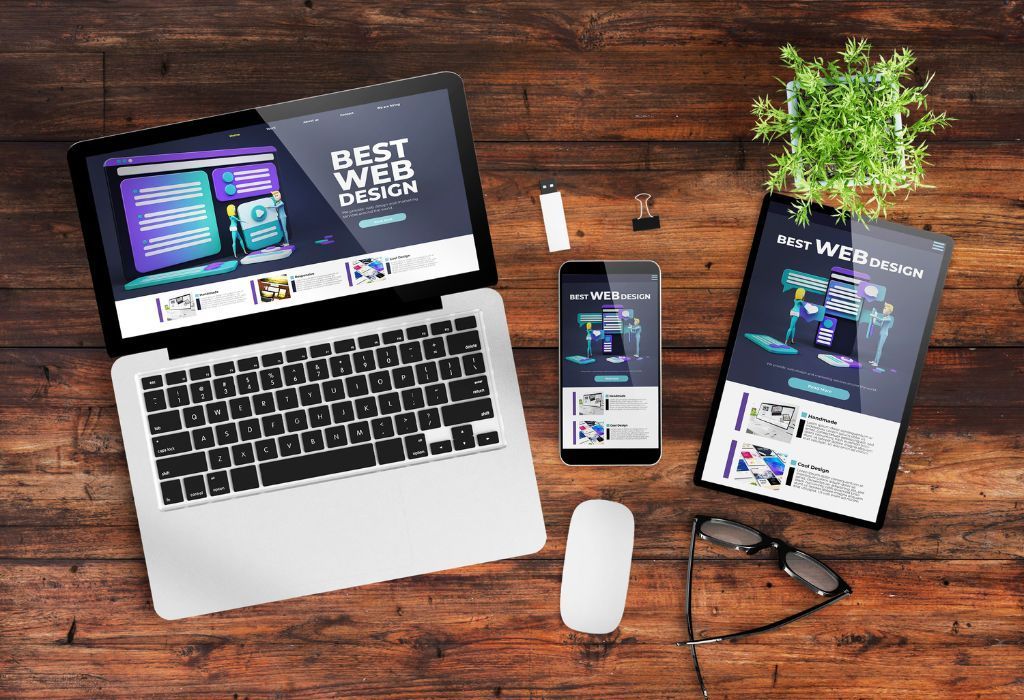
3. Make Sure Your Website Works on Mobile Devices
Your customers may discover your business while searching on their phones.
If they need to zoom in to read your content or struggle to tap a button, they may leave.
A mobile-friendly website should have readable text, properly sized images, and navigation that works on smaller screens.
Before launching, test important features such as contact forms, phone links, menus, and booking buttons.
Professional web development should account for mobile usability from the beginning rather than treating it as an afterthought.
4. Build Your Website With SEO in Mind
A website can look impressive and still struggle to attract visitors from search engines.
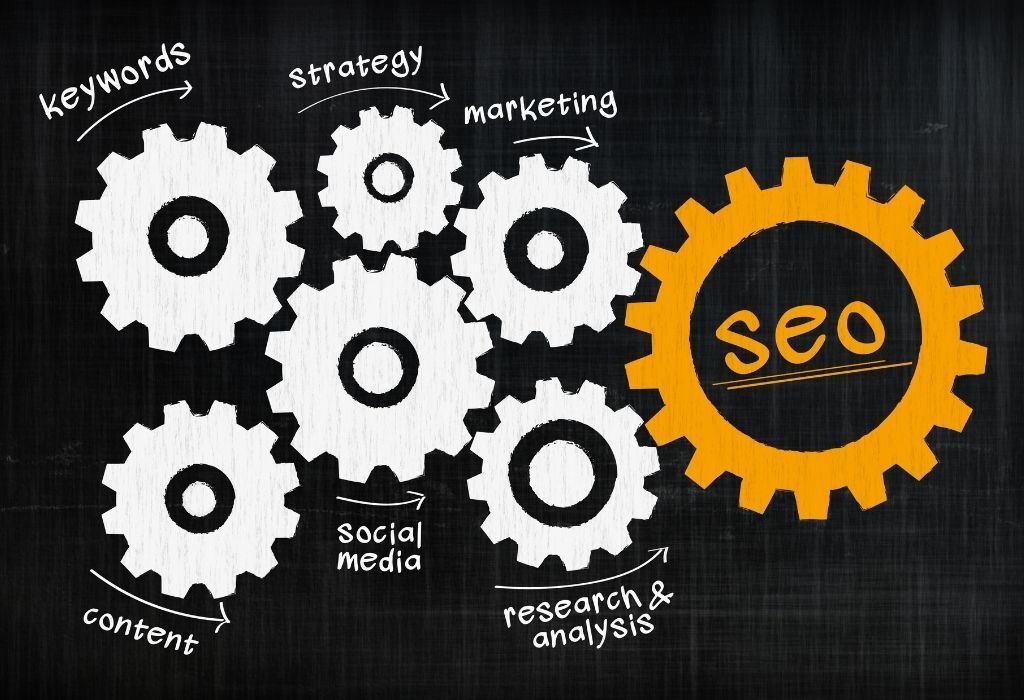
That's why search engine optimization should be part of the development process.
Basic SEO considerations include:
- Clear page titles and meta descriptions
- Organized headings
- Descriptive URLs
- Fast-loading pages
- Relevant service content
- Internal links between related pages
- Search-engine-accessible pages
If your startup serves a specific location, local SEO becomes especially important.
For example, a startup offering home services in Lehi, Utah, should explain its services and service area clearly.
Using relevant local keywords naturally can help Google understand where the business operates.
However, simply repeating a city name throughout a page won't guarantee better rankings.
5. Don't Overlook Website Speed
Nobody enjoys waiting for a website to load.
Large images, unnecessary scripts, and poorly configured website features can slow down performance.
A professional developer should consider image compression, efficient code, suitable hosting, and other performance improvements.
You can use Google's PageSpeed Insights to identify potential issues.
Website speed matters for usability, and Google's Core Web Vitals provide useful measurements of loading performance, responsiveness, and visual stability.
The goal is to create a website that works smoothly for visitors.
6. Know When to Hire a Professional Web Developer
Website builders can work well for simple projects, especially when your startup has a limited budget.
However, professional development may be a better choice when your business needs custom features, integrations, or a more tailored website.
Consider hiring a developer if:
- You need a custom website design.
- Your website requires booking or payment integrations.
- You want help with technical SEO.
- You need a website built for future expansion.
- You don't have time to manage the development process.
- Your current website has performance or usability problems.
For growing businesses, professional development can help reduce the time spent troubleshooting website issues.
7. Ask These Questions Before Hiring a Web Development Company
Choosing the right developer matters more than choosing the cheapest quote.
Before signing a contract, ask:
Can I see examples of your previous work?
Review websites the developer has built. Check how they look and function on desktop and mobile devices.
Will my website be optimized for search engines?
Ask what SEO features are included and whether keyword research or content optimization costs extra.
Who owns the website after launch?
Confirm that your business will have access to its domain, hosting account, website files, and other essential assets.
Can I make updates myself?
Find out whether you'll be able to change text, images, and basic page content without developer assistance.
What happens after the website launches?
Ask about maintenance, security updates, backups, and technical support.
What is included in the price?
Request a written proposal covering design, development, revisions, testing, and any ongoing fees.
Clear answers can help you avoid unexpected costs and misunderstandings.
8. Plan for Your Website's Future Growth
Your startup website shouldn't become difficult to manage as your business expands.
You may eventually need new service pages, additional locations, online booking, or more advanced marketing features.
Choose a website platform and development approach that can support reasonable changes.
It's also important to monitor your website after launch.
Google Search Console can help you understand how your pages perform in Google Search, while analytics tools can show how visitors interact with your website.
Reviewing this information can help you decide which pages need improvement.
How Much Should a Startup Spend on Website Development?
Website development costs vary depending on the project's size and requirements.
A basic informational website generally requires less work than a custom platform with user accounts, payment processing, and third-party integrations.
When comparing estimates, consider:
- Number of pages
- Custom design requirements
- Website functionality
- Content creation
- SEO setup
- Hosting and maintenance
- Future development needs
Avoid paying for complicated features your startup doesn't currently need.
Instead, focus on a reliable website that supports your immediate business goals and allows room for growth.
Looking for Professional Web Development in Lehi, Utah?
Building your first website is an important step in establishing your business online.
Whether you're launching a local service company, consulting business, or another startup, your website should make it easy for customers to understand your services and get in touch.
Rampify Marketing provides custom web development services focused on mobile responsiveness, website performance, SEO best practices, and conversion-friendly design.
If you're starting a business in Lehi, Utah, or looking to improve your existing website, our team can help you plan a website that fits your goals.
Call
(844) 926-2586 to discuss your website development project with Rampify Marketing.