Why Your Business Needs a Website
Many consumers today will look up a business online before ever contacting them. Without a website, customers may question your reliability or choose a competitor who has one.
A well-planned
website development strategy helps your business:
- Build professional credibility
- Reach more customers beyond your physical location
- Explain your products and services clearly
- Showcase customer reviews and results
- Make it easy to contact or book with you
Your website acts as your
digital storefront. The better it is, the stronger your first impression.
Start with the Essentials
Before designing your site, you need three core elements:
1. Choose a Clear and Memorable Domain Name
Your domain name is your web address (example: yourbusiness.com).
Choose something short, easy to spell, and as close to your business name as possible.
2. Select Reliable Website Hosting
Hosting is what keeps your site live on the internet. Reliable hosting ensures your website loads quickly and stays available.
Key features to look for:
- Fast loading speed
- At least 99% uptime
- Strong customer support
3. Decide How Your Site Will Be Built
There are two primary ways businesses create websites:
- Website Builders (Wix, Squarespace, Shopify):
Ideal for beginners who want a quick and simple setup.
- Custom Web Development (WordPress or coded websites):
Offers full design freedom, integration features, and scalability for growing businesses.
If your business plans to expand,
custom web development often provides more room to grow.
Key Pages Every Business Website Should Have
Instead of using a table, here is a simple breakdown of the pages your website should include and why they matter:
- Home Page: Introduces your business immediately. It should clearly state who you are, what you do, and who you serve.
- About Page: Tells your story and builds trust. People connect more with businesses they feel they understand.
- Services or Products Page: Describes what you offer and why it benefits the customer. Clear pricing or service descriptions help reduce hesitation.
- Contact Page: Makes it easy for customers to reach you. Include phone, email, address, social links, or a contact form.
- Testimonials or Reviews Page: Shows proof of customer satisfaction, which is one of the strongest trust-builders.
- Blog or Resources Section: Allows you to share helpful information and improve
SEO, helping your site appear higher in search results.
Each page should be intentional, well-written, and simple to navigate.
User Experience Matters
A website that is confusing or cluttered will push visitors away — even if your business is excellent. That’s why user experience (UX) matters in
web development.
Focus on:
- Clean layout and spacing
- Easy-to-read fonts
- Clear menus
- High-quality images
- Fast page load times
Visitors should be able to find what they need within seconds.
Mobile Responsiveness Is Essential
More than half of website visits today happen on mobile devices. If your site does not adjust to phone screens, customers will leave quickly.
A mobile-friendly website should:
- Load fast
- Display text clearly
- Use buttons that are easy to tap
- Have simple, intuitive navigation
Google also ranks
mobile-optimized websites higher in search results — another reason it’s essential.
Write Content That Speaks to Your Audience
The words on your website should connect with your ideal customer. Instead of writing generic descriptions, focus on how your business solves a real problem.
Effective website content:
- Is clear and conversational
- Highlights benefits, not just features
- Uses customer-friendly language
- Ends with a strong call to action (CTA)
Your website shouldn’t just look good — it should communicate value.
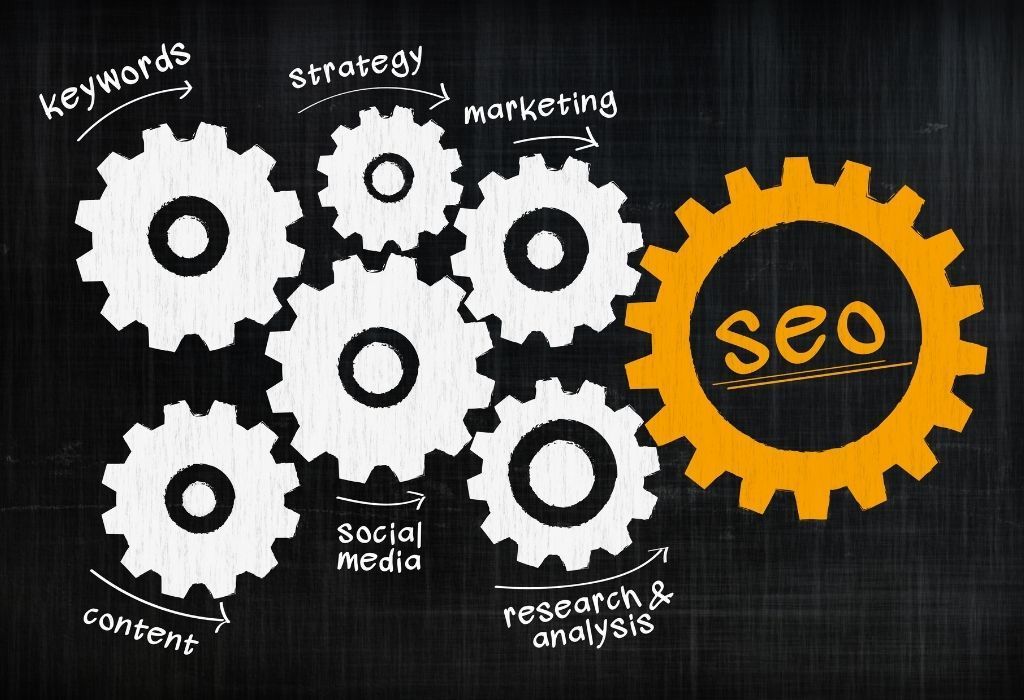
Don’t Forget About SEO
Once your website is live, people need to be able to
find it.
This is where
SEO (Search Engine Optimization) plays a major role.
SEO helps your website show up on Google when customers search for:
- Your services
- Your location
- Your industry
Even small SEO improvements — like using keywords naturally in your text or keeping your site fast — can improve your visibility over time.
Maintain Your Website Over Time
A website is not something you build once and forget. It should grow as your business grows.
Update your site regularly by:
- Adding new blog posts or resources
- Uploading reviews or before-and-after examples
- Updating service offerings or pricing
- Refreshing images and layout as needed
Maintaining your site ensures it continues to deliver results.
Final Thoughts
Your website is one of the most powerful business tools you will ever invest in. Whether you’re a small startup or launching a larger brand, thoughtful
web development helps establish trust, improve visibility, and create meaningful connections with customers.
You don’t need to be a tech expert to get started — you just need the right guidance.
Contact us today for inquiries and the
Rampify Marketing team will help you.